Thursday, 5 October 2023

Kenting - Das erste Mal selbst Roller fahren // Guidando uno scooter per la prima volta // First time driving a scooter

Der Kenting-Nationalpark erstreckt sich über den südlichsten Zipfel Taiwans. Wir finden eine Unterkunft direkt an der Hauptstraße von Kenting, entlang der jeden Abend der Nachtmarkt stattfindet - unsere Abendessen sind damit schon mal abgedeckt.

Am ersten Nachmittag verschaffen wir uns einen Überblick über den Ort und stellen dabei zwei Dinge fest: 1. Wir brauchen ein Transportmittel, um uns auf eigene Faust fortbewegen und etwas sehen zu können, und 2. gibt es viele Strände, an denen es nicht erlaubt ist, ins Wasser zu gehen (entweder weil es sich um ein ökologisches Schutzgebiet handelt oder wegen der Strömungen oder beidem).

Da wir leider keinen normalen Roller fahren können und auch keinen Führerschein dafür haben (das sollten wir vielleicht in Zukunft ändern...), scheint die einzige Möglichkeit ein Fahrradverleih zu sein - bis wir herausfinden, dass wir einen Elektroroller ohne Führerschein mieten können (auch die Götter sind sich einig, dass das eine gute Idee ist, als wir sie per Steinwurf befragen - siehe vorheriger Beitrag, falls Euch die Infos dazu fehlen). Der Verleiher ist gerne bereit, uns zu zeigen, wie man so ein Teil fährt. Also bekommen wir am nächsten Tag einen fünfminütigen Crashkurs im Fahren eines E-Scooters und können dann direkt losdüsen. Es klappt, wir haben viel Spaß und erkunden die verschiedenen Aussichtspunkte mit sehr schönem Panorama, erreichen den südlichsten Punkt Taiwans und fahren gegen Sonnenuntergang an den Strand ein paar Kilometer südöstlich von unserem Ort entfernt. Ein perfekter Tagesausflug und wir haben eine neue Herausforderung gemeistert - cool! 😁😎


Il Parco Nazionale di Kenting copre la punta meridionale di Taiwan. Troviamo una stanza proprio sulla strada principale di Kenting, dove ogni sera, durante la nostra permanenza, si svolge il mercato notturno che ci fornisce la maggior parte delle cene.

Il primo pomeriggio cerchiamo di capire la situazione e ci rendiamo conto di due cose: che abbiamo bisogno di un mezzo di trasporto per girare autonomamente e vedere qualcosa e che ci sono molte spiagge in cui non è permesso entrare in acqua (o perché si tratta di un'area ecologica protetta o per via delle correnti o per entrambe le cose).

Dato che, purtroppo, non sappiamo guidare uno scooter normale e non abbiamo la patente (è una cosa che forse dovremmo pensare di cambiare in futuro...), l'unica possibilità sembra essere il bike sharing - fino a quando non scopriamo che possiamo noleggiare uno scooter elettrico senza patente (anche gli dei sono d'accordo che è una buona idea - vedi il post precedente, se ti mancano le informazioni su questo nostro gioco). Il tipo del noleggio è disponibile ad insegnarci. Così, il giorno dopo, riceviamo un corso accelerato di cinque minuti sulla guida di uno scooter elettrico e siamo pronti a partire. Ci piace e iniziamo a visitare i vari punti panoramici dei dintorni, con viste molto belle, raggiungiamo il punto più meridionale di Taiwan e andiamo in spiaggia pochi chilometri a sud-est di dove stiamo. Una giornata perfetta e una nuova sfida superata 😁😎


Kenting National Park covers the southern point of Taiwan. We find a place to stay smack on the main road of Kenting, where the night market takes place every evening during which we are there, providing us with most of our dinners. 

On our first afternoon we try to get the lay of the place and realize two things: we need a means of transport to go around independently and see something and there are many beaches where it is not allowed to go into the water (either because it is an ecologically protected area or because of undercurrents or both).

Given that, unfortunately, we can't drive a regular scooter and don't have a license for it (that's something we maybe should think about changing in the future...), the only possibility seems to be a bike share - until we find out that we can rent an electric scooter without a license (also the gods agree that it is a good idea - see previous post, if you lack the info). The rental guy is happy to teach us. So the next day we get a five minutes crash course on driving an e-scooter and we are ready to go. We love it and start checking out the various viewpoints with very nice panorama, reach the southernmost point of Taiwan and go to the beach a few kilometers south east of our place. A perfect day out and a new challenge mastered 😁😎

Die Götter sagen: "Ja, nehmt Euch einen E-Scooter." // Gli dei dicono: "Sì, prendete un e-scooter." // The gods say: "Yes, take an e-scooter."

Kurze Einweisung // Lezione di guida // Brief driving lesson 


Unterwegs entlang der Küste // In giro lungo la costa // On the road along the coast:


Luftwurzeln // Radici aeree // Aerial roots

Der südlichste Punkt Taiwans (mit zwei Personen links, die dort Qi Gong praktizierten) // Il punto più a sud di Taiwan (con a sinistra due persone che praticano Qi Gong) // The southernmost point of Taiwan (with on the left, two people who practice Qi Gong)


Leckeres Essen, Kentings Hauptstraße und Nachtmarkt // Buon cibo, la strada principale di Kenting e il mercato notturno // Good food, Kenting main road and night market:


Frühstück // Colazione // Breaky

Tausendjähriges Ei (unten im Bild) // Uovo millenario (in basso) // Thousand 
Years old egg (in the bottom of the picture)


Barringtonia tree

Kenting night market 


Für den zweiten Tag haben wir die Idee, zum Fuß eines riesigen Felsens zu wandern, der nicht weit von unserem Ort aus dem grünen Wald herausragt. Laut Google handelt es sich um eine leichte, zweistündige Wanderung, aber an der ersten Weggabelung weißt uns ein Schild auf chinesisch darauf hin, dass das Gebiet als Schlafstätte für die Arbeiter eines nahe gelegenen Kraftwerks reserviert und der Zugang für Touristen verboten ist. Mist. Es scheint keinen anderen direkten Weg zu "unserem" Berg zu geben, außer umzudrehen und die längere Straße zu nehmen, die wir als Rückweg geplant hatten, also werfen wir unsere neu erworbenen roten Steine, um die Götter zu fragen, ob wir alternativ auf der Hauptstraße weitergehen und einfach schauen sollen, was der Park sonst noch so zu bieten hat. Sie sagen ja und so laufen wir einfach weiter bzw. in die andere Richtung los. 😀😉

Nach etwa zwei Stunden, mit interessanten Pflanzen, ein paar Affen, Vögeln, schönen Aussichten - nicht die beste Wanderung, die wir je gemacht haben, aber ein netter Spaziergang, um die Gegend und die Natur zu erkunden - sind wir wieder am Hotel und haben genug Zeit, um vor Sonnenuntergang unsere Badesachen zu packen und am nächstgelegenen Strand ins Wasser zu springen. Morgen geht's weiter nach Kaohsiung!


Per il secondo giorno abbiamo pensato di fare un'escursione alla base di un'enorme roccia che sporge dal verde del bosco a poca distanza dal nostro hotel. Secondo Google si tratta di un'escursione facile di un paio d'ore, ma al primo bivio troviamo un cartello in cinese che dice che la zona è riservata come dormitorio per i lavoratori di una vicina centrale elettrica e che l'accesso ai turisti è vietato. Non sembra esserci un'altra via diretta per raggiungere la "nostra" montagna, a parte tornare indietro e prendere la strada più lunga che avevamo pianificato per il ritorno, così lanciamo le nostre pietre rosse per chiedere agli dei se dobbiamo procedere lungo la strada principale e vedere cosa c'è nel parco. Loro dicono di sì e così lo facciamo 😀😉

Alla fine si tratta di una passeggiata facile di circa 2 ore, con alcune piante interessanti, qualche scimmia, uccelli, bei panorami... non la migliore escursione che abbiamo mai fatto, ma una bella passeggiata alla scoperta della zona e della natura.

E quando torniamo abbiamo ancora abbastanza tempo per fare un tuffo in mare nella spiaggia più vicina raggiungibile a piedi prima del tramonto. Domani si parte per Kaohsiung!


For the second day we have the idea to hike to the base of a huge rock jutting out of the green woods a short distance from our place. According to Google it is an easy hike lasting a couple of hours, but at the first fork of the road we find a sign in Chinese saying that the area is reserved as a dormitory for the workers of a nearby power/electrical plant and that access for tourists is forbidden. There seems to be no other direct way to get to "our" mountain, except for turning around and taking the longer road we had planned to use as the way back, so we throw our newly acquired red stones to ask the gods, if we should proceed along the main road and see what comes out way in the park. They say yes and so we do it 😀😉 

In the end it is an easy walk of about 2 hours, with some interesting plants, a few monkeys, birds, nice views... not the best hike we ever made but a nice stroll exploring the area and nature. 

And when we come back we still have enough time to go for a dip in the sea at the closest reachable beach before sunset. Tomorrow we'll be off to Kaohsiung!


Die Götter sagen: "Ja, nehmt den Weg rechts." // Gli dei dicono: "Sì, prendete la strada a destra." // The gods say: "Yes, take the road on the right."


Barringtonia tree 


Wednesday, 4 October 2023

Taiwan - Stef beim Frisör & andere Kuriositäten // Ste dal parrucchiere & altre curiosità // Stef at the hair dressers & other curiosities

Stef beim Frisör - Ste dal parrucchiere - Stef at the hair dressers

Bevor es in ein paar Tagen für uns vier Wochen lang zum Tauchen auf eine kleine Insel geht, die zu Borneo gehört, will Stef unbedingt noch Haare schneiden, damit die Mähne nicht allzu lang wird und er sich im schlimmsten Fall kämmen müsste. 😉 Als er in Kaohsiung in der U-Bahnstation "Uncle Bear Haircut Express" entdeckt - einen Frisör, der auf schnell und billig ausgelegt zu sein scheint - ist die Entscheidung gefallen. 100 New Taiwan Dollar (rund drei Euro) und 10 Minuten später sind die Haare kürzer und Stef sieht passabel aus. Dafür wurde er auch das erste Mal in seinem Leben auf dem Kopf abgesaugt (am Ende, damit das geschnittene Haar nicht auf Kopf, Hals und T-Shirt hängen bleibt). Anne lacht herzlich und macht Fotos 🤣🤣🤣   


Prima di partire tra pochi giorni per quattro settimane di immersioni in una piccola isola del Borneo, Ste deve tagliare i capelli per evitare che la criniera diventi troppo lunga e siano necessarie attività assurdamente sbatti tipo pettinarsi. 😉 Quando scopre "Uncle Bear Haircut Express" nella stazione della metropolitana di Kaohsiung - un parrucchiere che sembra progettato per essere veloce ed economico - la decisione è presa. 100 dollari di Taiwan (circa tre euro) e, 10 minuti dopo, i capelli sono più corti e Ste ha un aspetto accettabile. In cambio, per la prima volta in vita sua, gli hanno passato l'aspirapolvere in testa (alla fine, per evitare che i capelli tagliati restino ovunque sulla testa, sul collo e sulla maglietta). Anne ride di cuore e scatta foto 🤣🤣🤣


Before we leave in a few days for four weeks of diving on a small island that belongs to Borneo, Stef really wants to cut his hair so that his mane doesn't get too long and he needs to perform crazy activities like combing/brushing it. 😉 When he discovers "Uncle Bear Haircut Express" in the underground station in Kaohsiung - a hairdresser who seems to be designed to be fast and cheap - the decision is made. 100 New Taiwan dollars (about three euros) and, 10 minutes later, his hair is shorter and Stef looks passable. In return, he also got his head vacuumed for the first time in his life (at the end, so that the cut hair doesn't get stuck on his head, neck and T-shirt). Anne laughs heartily and takes photos 🤣🤣🤣


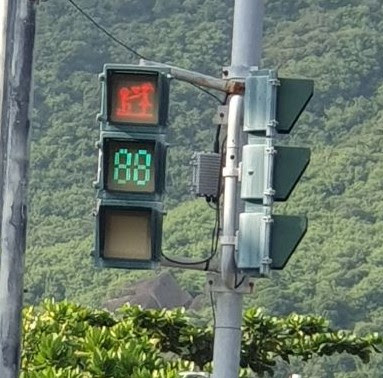
Ampelmännchen - Semafori pedonali - Traffic lights for pedestrians

Fussgängerampeln sind in Taiwan oft pure Unterhaltung und erzählen manchmal sogar eine kleine Geschichte. Grundsätzlich gibt es an größeren Kreuzungen immer einen Countdown, der angibt, wie viele Sekunden es noch bis zur Grünphase dauert bzw. wie lange diese noch anhält. Dazu gibt es die bekannten roten und grünen Piktogramme - der Unterschied zu den meisten uns bekannten in Europa ist, dass sich viele hier bewegen und manche eine Minigeschichte erzählen. Wie das aussieht, könnt Ihr unseren Bildern und Videos im Folgenden entnehmen. 


I semafori pedonali a Taiwan sono spesso puro intrattenimento e a volte raccontano anche una piccola storia. In pratica, agli incroci più grandi c'è sempre un conto alla rovescia che indica quanti secondi mancano alla fine del verde o quanto durerà ancora. In più, ci sono i familiari pittogrammi rossi e verdi - la differenza rispetto alla maggior parte di quelli che conosciamo in Europa è che molti di essi sono in movimento e alcuni raccontano una mini-storia. Potete vedere come appaiono nelle immagini e nei video qui di seguito.


Pedestrian traffic lights in Taiwan are often pure entertainment and sometimes even tell a little story. Basically, there is always a countdown at larger intersections that indicates how many seconds it takes until the next green phase starts or how long it will still last. On top, there are the familiar red and green pictograms - the difference to most of the ones we know in Europe is that many of them are moving and some of them tell a mini-story. You can see what this looks like in our pictures and videos below.


Einfach süß, ohne Story - Carini così, senza storiella - Simply cute, no special story connected: 


Die Liebesgeschichte - La storia d'amore - The love story:


Die Liebesgeschichte geht weiter - La storia d'amore continua - The love story goes on:


Hunde im Kinderwagen - Cani nel passeggino - Dogs in strollers

Während der Stadtführung in Taipei suchte unsere Führerin fast überall nach einem Plätzchen zum Sitzen und meinte, dass Taiwanesen, wie die meisten Asiaten, nicht gerne laufen, sondern lieber fahren oder sitzen würden. Wir haben die Vermutung, dass das nicht nur für die Menschen gilt bzw. dass viele Hundehalter hier ihre Vorliebe direkt auf ihre Vierbeiner übertragen. Noch nirgendwo sonst haben wir so viele Hunde in Kinderwagen, Wägelchen, auf dem Arm getragen oder aus Rucksäcken schauend gesehen!


Durante il tour della città a Taipei, la nostra guida ha cercato un posto per sedersi quasi ovunque e ha detto che i taiwanesi, come la maggior parte degli asiatici, non amano camminare ma preferiscono guidare o stare seduti. Sospettiamo che questo non valga solo per le persone o almeno che molti proprietari di cani qui trasferiscano la loro preferenza direttamente ai loro amici a quattro zampe. In nessun altro posto abbiamo visto così tanti cani in carrozzina, in passeggino, portati in braccio o che facevano capolino dagli zaini!


During the city tour in Taipei, our guide looked for a place to sit almost everywhere and said that Taiwanese, like most Asians, do not like to walk, but would rather drive or sit. We suspect that this is not only true for people - or at least that many dog owners here transfer their preference directly to their four-legged friends. Nowhere else have we seen so many dogs in prams, strollers, carried on their owners' arms or peering out of backpacks!


Katzen scheinen manchmal das selbe Schicksal wie Hunde erleiden zu müssen // Qualche volta sono anche i gatti a dover subire lo stesso destino dei cani // Sometimes it's also cats which need to endure the same destiny as dogs


Wenn die Müllabfuhr dudelt - Quando il camion della monnezza suona - When the rubbish collection jingles

Es dudelt laut und kontinuierlich durch die Strassen und Anne denkt sofort an "ihr" Bäckerauto aus Sri Lanka zurück; nur dass hier das taiwanesische Müllauto um die Ecke biegt. Während wir uns noch fragen weshalb dieser Service der Stadt so deutlich auf sich aufmerksam machen muss, sehen wir eine Menschenpulk an einer Kreuzung stehen - mit vollen Mülltüten in den Händen oder zwischen den Füßen. Als die beiden Müllautos (eines für Restmüll und eines für Recyclebares) anhalten, laufen alle wie auf Kommando los und werfen ihre Mülltüten eigenhändig in den Laderaum. Was für ein Kontrast zu Indien, wo die Menschen in den Bahnhöfen ihre leeren Flaschen, Chipstüten, gebrauchten Taschentücher etc. einfach auf die Bahngeise werfen, auf denen Frauen gebückt und in der heißen Sonne allen Müll auflesen und in Säcke stecken - während hinter ihnen quasi schon wieder erneut etwas auf die Gleise geworfen wird... 


Risuona rumorosamente e ininterrottamente per le strade e Anne ripensa subito al "suo" camioncino da panettiere in Sri Lanka; solo che qui è il camion della spazzatura taiwanese a girare l'angolo. Mentre ci chiediamo perché questo servizio urbano debba attirare l'attenzione su di sé in modo così evidente, vediamo una folla di persone in piedi a un incrocio, con sacchi della spazzatura pieni in mano o tra i piedi. Quando i due camion della spazzatura (uno normale, uno per la differenziata) si fermano, tutti corrono come a comando e gettano dentro i loro sacchi della spazzatura. Che contrasto con l'India, dove la gente nelle stazioni ferroviarie getta semplicemente le bottiglie vuote, i sacchetti di patatine, i fazzoletti usati ecc. sui binari, dove le donne si chinano sotto il sole cocente per raccogliere tutta la spazzatura e metterla nei sacchi - mentre dietro di loro nuovo pattume viene già gettato di nuovo sui binari...


It jingles loudly and continuously through the streets and Anne immediately thinks back to "her" bakery van in Sri Lanka; only that here the Taiwanese rubbish truck is about to turn around the corner. While we are still wondering why this city service has to draw attention to itself, we see a crowd of people standing at an intersection - with full rubbish bags in their hands or between their feet. When the two rubbish trucks (one normal, one for recyclable stuff) stop, they all run as if on command and throw their rubbish bags into the hold themselves. What a contrast to India, where people in the railway stations simply throw their empty bottles, chip bags, used handkerchiefs etc. onto the railway tracks, on which women walk and bend over in the hot sun to pick up all the rubbish and put it into bags - while, behind them, somebody is already throwing new rubbish onto the tracks...


Tuesday, 3 October 2023

Hualien/Taroko Gorge - Wanderwege, die keine sind // Sentieri che non sono sentieri // Trails which are no trails

Im Gegensatz zu dem, was man vielleicht denken könnte, hat Taiwan große und viele Berge und Schluchten. Und einige davon befinden sich in der Taroko-Schlucht in der Nähe der Stadt Hualien an der Ostküste. Das ist unsere zweite Station nach Taipeh. Wir freuen uns auf ein oder zwei leicht anspruchsvolle Wanderungen in einer beeindruckenden Landschaft aus Marmorbergen und Schluchten, die noch heute vom rauschenden Gebirgswasser geformt werden.

Nachdem wir den Zug von Taipeh genommen und in unserem Hotel eingecheckt haben, schlendern wir den Nachmittag über durch die Straßen, den bald öffnenden Nachtmarkt und weiter in Richtung Meer. Irgendwie haben wir keine allzu hohen Erwartungen an den Strand und das Meer, und der erste Blick, den wir darauf werfen, ist auch nicht allzu beeindruckend. Doch als wir weiter spazieren und die Sonne langsam untergeht, werden wir von einer - für uns - eher ungewöhnlichen Szenerie in den Bann gezogen: Der Strand ist mit riesigen, rund geschliffenen, verschiedenfarbigen Marmorblöcken bedeckt und direkt am Ufer hat sich jede Menge Treibholz angesammelt. Deshalb riecht es auch nicht nach salzigem Meer, sondern eher nach einer würzigen Brise im Wald. Das Wasser bricht mit recht harten Wellen. In unserem Rücken bilden die nicht allzu weit entfernten Berge eine dramatische Kulisse, über die dunkle Wolken rollen. Weitere Leute tauchen am Ufer auf und genießen wie wir schweigend die ruhige und schöne Atmosphäre, während einige andere nach Holzstücke suchen, vermutlich um sie zu bearbeiten und dann in Innenräumen auszustellen, denn wir sehen sie an jedem Holz prüfend riechen, ob es am verrotten ist.


Contrariamente a quanto si potrebbe pensare, Taiwan ha molte alte montagne e gole. Alcune di queste si trovano nella Gola di Taroko, vicino alla città di Hualien, sulla costa orientale. È la nostra seconda tappa dopo Taipei. Ci aspettiamo un paio di escursioni poco impegnative in un paesaggio impressionante fatto di montagne di marmo e gole che vengono tuttora modellate dalle acque blu.

Dopo aver preso il treno da Taipei e aver fatto il check-in nel nostro hotel, abbiamo trascorso il pomeriggio passeggiando per le strade, attraverso il mercato notturno che aprirà tra qualche ora e verso la costa. Non abbiamo grandi aspettative per quanto riguarda la spiaggia e il mare e il primo sguardo non è particolarmente impressionante. Tuttavia, man mano che procediamo e il sole inizia lentamente a tramontare, rimaniamo affascinati da uno scenario - per noi - piuttosto insolito: la spiaggia è ricoperta da enormi massi di marmo rotondi e di colori diversi e sulla riva del mare si è accumulata una quantità enorme di legno portato dalle mareggiate. Anche per questo non c'è l'odore salato tipico del mare, ma quello di una brezza in una foresta. Alle nostre spalle, le montagne non troppo lontane fanno da sfondo drammatico, mentre le nuvole scure cominciano ad avvolgerle. Altre persone si affacciano sulla riva e, come noi, si godono in silenzio la calma e la bellezza dell'atmosfera, mentre altri ancora sembrano raccogliere pezzi di legno, presumibilmente per lavorarli, visto che li vediamo anche annusarli, probabilmente per controllare che non siano marci.


Contrary to what one might think, Taiwan has great and many mountains and gorges. And some of them are to be found in Taroko Gorge, close to the town of Hualien on the east coast. This is our second stop after Taipei. We're looking forward to one or two mildly challenging hikes in an impressive landscape made up of marble montains and gorges which are still being shaped today by gushing blue waters. 

Having taken the train from Taipei and checked into our hotel, we spent the afternoon ambling through the streets, the soon to be opened street night market and on towards the coast. Somehow we don't have too high expectations with regards to the beach and the sea and the first glance we get of it, is not too impressive. However, as we move on and the sun slowly starts setting, we are enthralled by a - for us - rather unusual scenary: the beach is covered in huge, round differently coloured marble boulders and loads of driftwood has been amassed on the water's edge. This is also why it doesn't smell like a salty sea, it rather reminds us of a breeze in a forest. In our backs the not too far away mountains provide a dramatic backdrop as dark clouds keep rolling over them. More people turn up on the shoreline and, like us, enjoy in silence the calm and beautiful atmosphere while some others seem to be collecting wood pieces, presumably to work on them, as we see them also sniffing the wood, most likely to check whether it is rotten. 


Dongdamen Night Market 

Gemischter Grillteller (Schweinefleisch u. Fisch) mit lila Reis im Bambus gegart // Grigliata mista (maiale e pesce) con riso viola cotto nel bambù // Mixed BBQ (pork&fish) with purple rice cooked in bamboo 


Am nächsten Morgen weckt uns der Wecker früh und um 7:30 Uhr sitzen wir bereits im Bus zum Taroko Gorge. Einige Wanderwege sind aufgrund der Schäden des letzten Taifuns noch immer ganz oder teilweise gesperrt, und die ohnehin wenigen Busse fahren nach einem noch eingeschränkteren Fahrplan. Das wird zu einer kleinen Herausforderung, wenn man wie wir kein eigenes Transportmittel hat und unvorhergesehene Umstände wie vorübergehende Straßensperrungen auftreten. Der Fahrer informiert auf Chinesisch und spricht kein Wort Englisch. Zum Glück können zwei Männer im Bus beides und geben uns und anderen Westlern eine kurze Zusammenfassung. Als wir am ersten Weg entlang eines Teils der Schlucht ankommen, wissen wir, dass er kurz ist, aber wir haben bessere Aussichten und blaues Wasser erwartet - das sich als grau herausstellt, wahrscheinlich noch ein Effekt des Taifuns. Vielleicht sind wir auch verwöhnt von dem, was wir in Bayern schon gesehen haben?!

Ok, also weiter zum zweiten Standort. Der nächste Bus kommt jedoch erst in eineinhalb Stunden... Wir beschließen, zu Fuß zu gehen, d.h. entlang der Hauptstraße, durch einen Tunnel, und nach einer Weile, als der nächste Tunnel auftaucht (statt des gewünschten Wanderwegs), stellen wir fest, dass die Distanz viel größer ist, als es uns vom Bus aus schien. Wir brauchen eine Lösung und zum Glück setzen uns ein netter Japaner und dessen Fahrer bzw. Guide ein paar Kilometer weiter an unserem Wanderweg ab. Leider entpuppt sich dieser "Weg" als eine weitere, wenn auch kleinere, stark befahrene Straße entlang der Schlucht. Alle fahren mit Autos und Bussen direkt vor, gehen ein paar Schritte, schauen sich um und steigen wieder in ihre Autos. Die Aussicht ist auch nichts Besonderes. Wir sind enttäuscht und warten eine Stunde auf den Bus, der uns zurück zum Eingang des Parks bringt. Obwohl wir mittlerweile ein wenig entmutigt sind, wollen wir sehen, ob ein teilweise geöffneter Trail vielleicht doch noch seinem Namen Ehre macht und schöne Aussichten bietet. Machen wir es kurz: er tut es und er rettet unseren Tag und wir können uns kaum an der Farbe des Wassers satt sehen! 🤩🤩🤩


La mattina dopo la sveglia suona presto e alle 7.30 siamo già sull'autobus per la Gola di Taroko. Alcuni sentieri sono ancora completamente o parzialmente chiusi a causa dei danni dell'ultimo tifone e i già pochi autobus viaggiano con un orario ancora più ridotto del solito. Questo si rivela un po' una sfida se, come noi, non si dispone di un mezzo di trasporto proprio e si presentano alcuni imprevisti, come la chiusura temporanea delle strade. L'autista annuncia qualcosa in cinese e non parla una parola di inglese. Per fortuna due tipi sull'autobus li parlano entrambi e forniscono a noi e agli altri occidentali un breve riassunto. Arriviamo al primo sentiero lungo una parte della gola. Sappiamo che è breve, ma ci aspettavamo una vista migliore e l'acqua blu, che invece si rivela grigia, probabilmente ancora per effetto del tifone. Forse siamo anche viziati da ciò che abbiamo visto spesso in Baviera!

Ok, quindi si va verso la seconda località. Tuttavia, il prossimo autobus è previsto solo tra un'ora e mezza... Decidiamo di andare a piedi, cioè lungo la strada, attraverso un tunnel, e dopo un po', quando salta fuori il tunnel successivo (invece del sentiero desiderato), ci rendiamo conto che la strada è molto più lunga di quello che era sembrato dall'autobus. Abbiamo bisogno di una soluzione e ci facciamo dare un passaggio da un simpatico giapponese e dalla sua guida, che ci lasciano qualche chilometro più avanti. Purtroppo questo "sentiero" si rivela essere un'altra strada, ahimè, più piccola, molto trafficata, che costeggia la gola. La gente arriva direttamente in auto e in autobus, fa qualche passo, dà un'occhiata e risale in auto. Anche il panorama non è niente di speciale. Siamo piuttosto delusi e aspettiamo un'ora che l'autobus ci riporti all'ingresso del parco. Anche se ormai siamo un po' scoraggiati, vogliamo vedere se un sentiero parzialmente aperto è degno del suo nome e offre bei panorami. La facciamo breve: lo è e ci rallegra la giornata e ci riempie gli occhi! 🤩🤩🤩


The next morning the alarm wakes us up early and at 7:30 am we are already on the bus to Taroko Gorge. Some trails are still completely or partially closed due to the damages from the last typhoon, and the already few buses run on an even more reduced schedule. This turns out to be a bit of a challenge if, like us, you don't have your own means of transport and some unforeseen circumstances appear, such as temporary road closures. The driver announces something in Chinese and doesn't speak a word of English. Luckily two guys on the bus can speak both and give us and other Westerners a brief summary. Once we arrive at the first trail along a part of the gorge, we know it's short, but we expected better views and blue water - which turns out to be grey, probably still an effect from the typhoon. Maybe we are also spoilt by what we have seen already in Bavaria?!

Ok, so on towards the second location. However, the next bus is due only in one and a half hours... We decide to walk which means along the main road, through a tunnel, and after a while and as the next tunnel turns up (instead of the desired trail) we realize that the way is way longer than what it seemed from the bus earlier. We need a solution and hitch a ride with a nice Japanese guyand his guide, who drop us off a few kilometers further on. Unfortunately this "trail" turns out to be another, alas smaller heavy trafficked road along the gorge. People drive up in cars and buses directly, walk a few steps, take a look and hop back into their cars. The view is nothing too special, too. We are rather disappointed and wait one hour for the bus to bring us back to the park's entrance. Although by now we are a little disheartened, we want to see, if a partially open trail for once is a trail worthy of it's name and offers nice views. Let's make it short: it is and it really makes our day and fills our eyes! 🤩🤩🤩